We were instructed by a private landowner to review the future potential of an agricultural holding and associated land in Merseyside.
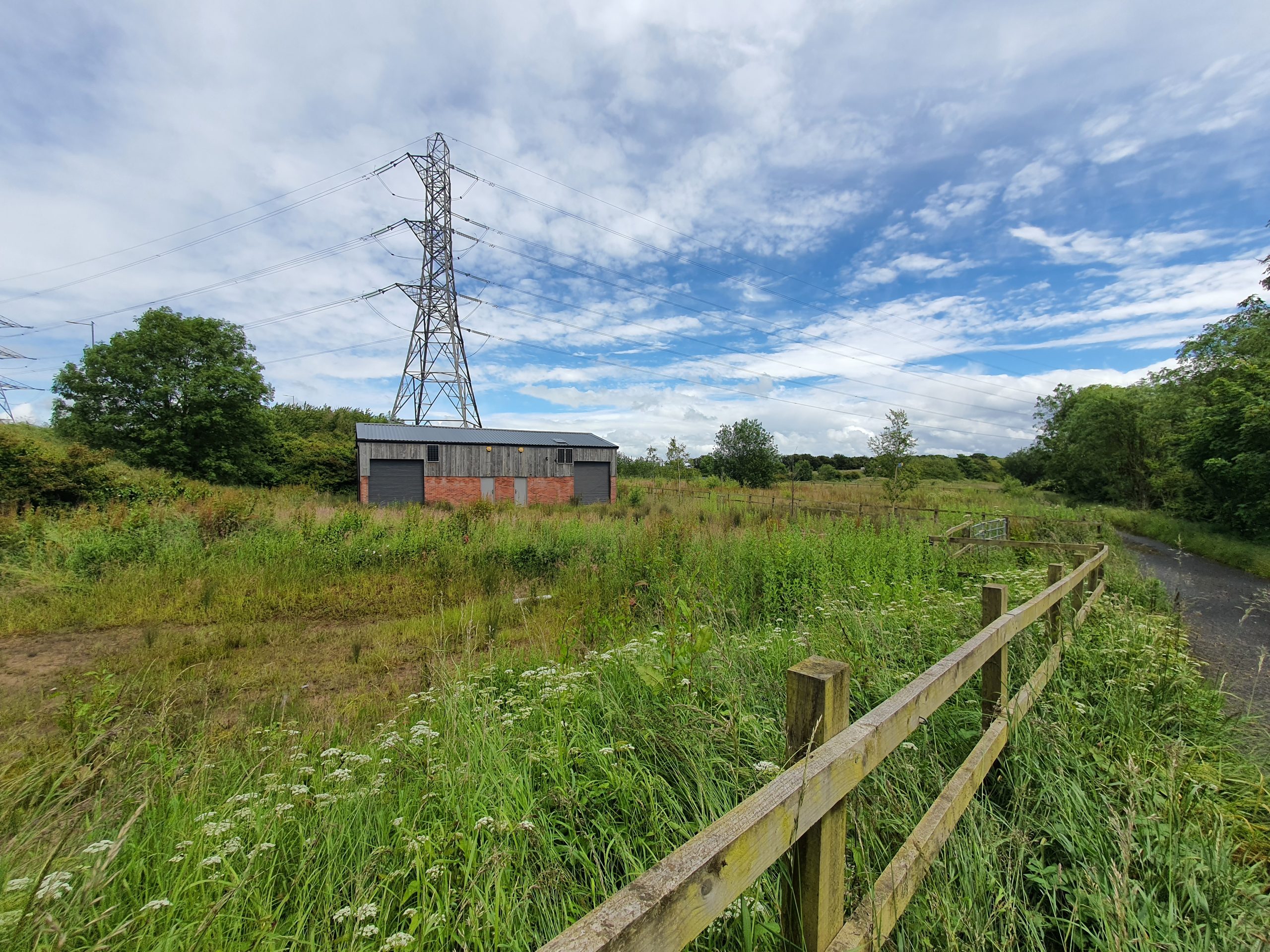
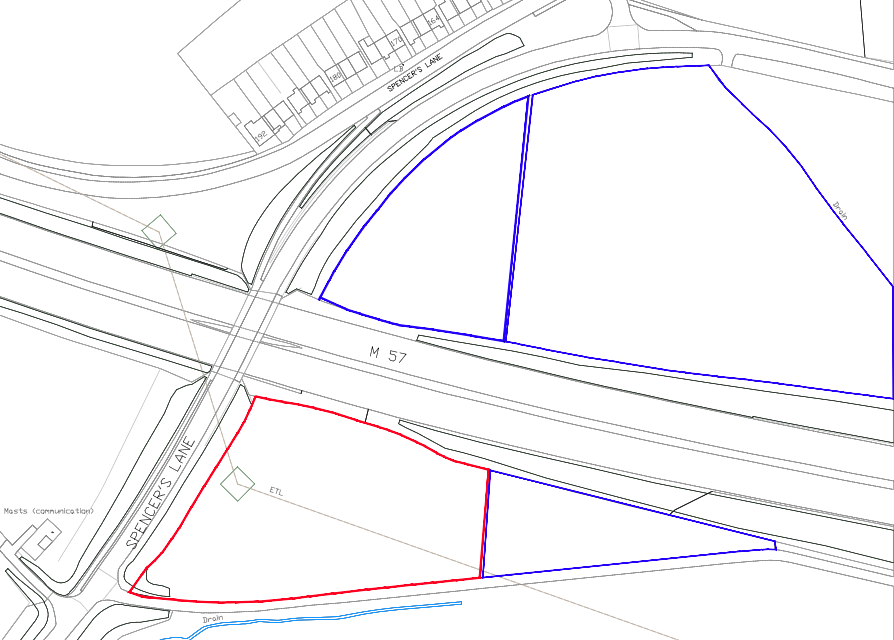
The site was subject to a number of physical and planning constraints, including Green Belt designation, an established agricultural planning history, motorway infrastructure, overhead electricity transmission equipment, drainage and ecological considerations.
The client required an initial review of the property’s status, potential changes of use and wider site optimisation before committing to more detailed planning, environmental or development work.
Particular consideration was given to whether parts of the holding might support alternative uses, including renewable energy development and Biodiversity Net Gain habitat provision.
The instruction commenced with a review of the existing holding, its planning history, approved agricultural uses and the physical relationship between the different land parcels.
The site was then considered against a number of development and land-use factors, including:
The objective at this stage was not to design a development proposal, but to identify which opportunities appeared sufficiently realistic to justify more detailed feasibility, valuation or planning work.
The site had an established agricultural use and planning history, including permissions for agricultural buildings.
This provided a useful starting point when considering the existing lawful use of the land and the extent to which further agricultural development could potentially be accommodated.
Alternative uses required a different assessment. The site’s Green Belt designation meant that proposals would need to be considered carefully against national and local planning policy, together with their effect on openness, landscape character and the wider setting.
The review therefore distinguished between uses that might fall naturally within the existing agricultural context and those requiring a more substantial planning case.
The holding was physically divided by major motorway infrastructure, creating land parcels with different characteristics, access arrangements and development potential.
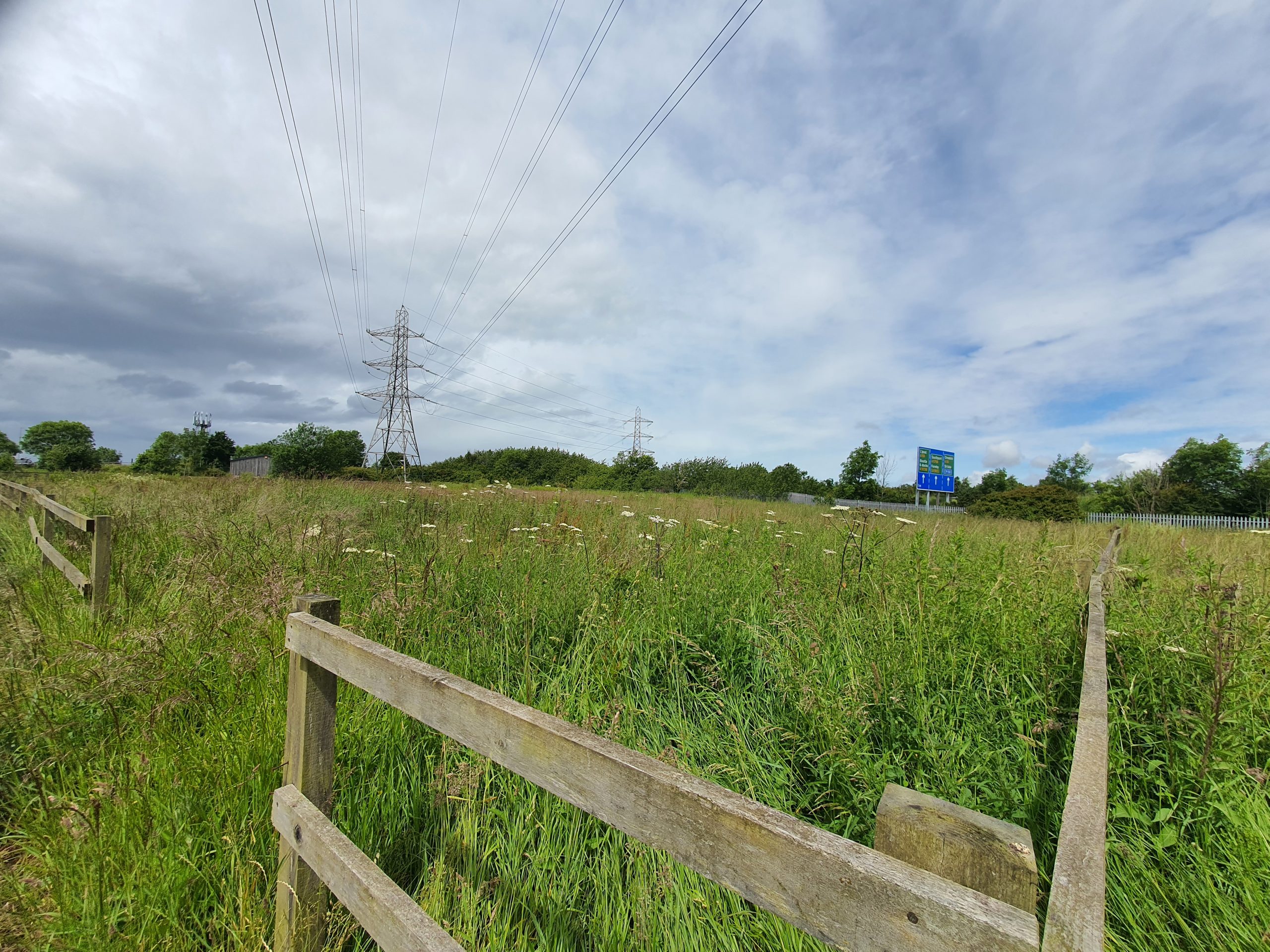
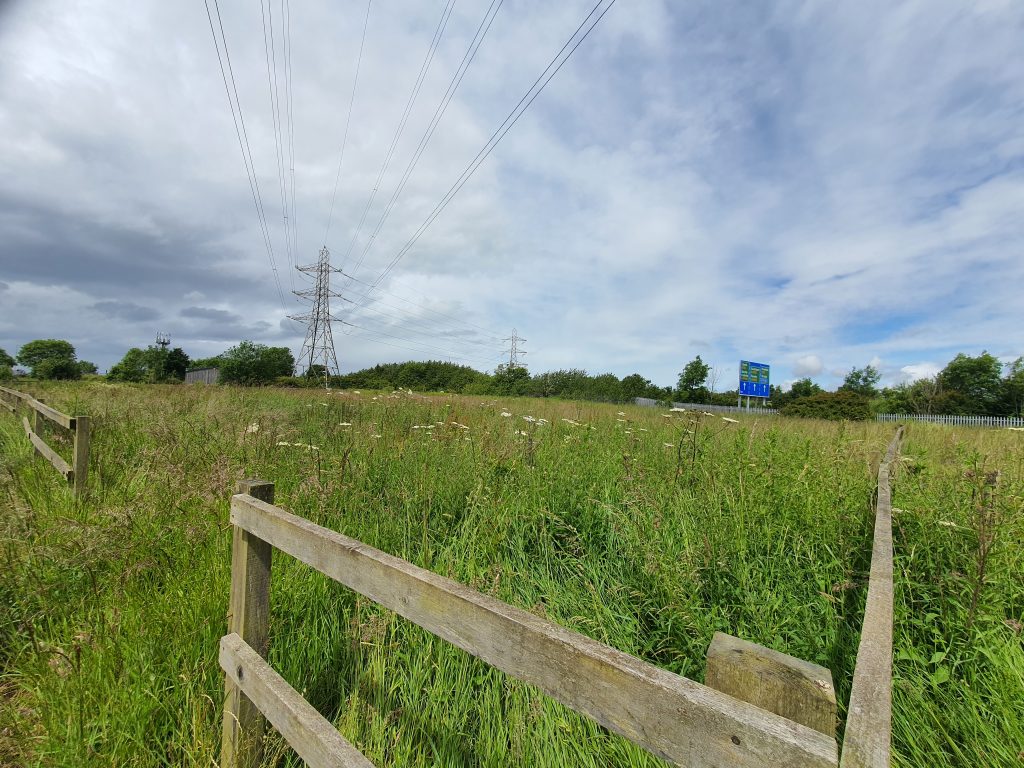
Overhead electricity transmission equipment also crossed or affected parts of the site.
Rather than viewing these factors purely as constraints, they were considered as part of the wider site optimisation exercise. Different parcels could potentially perform different functions depending on access, planning sensitivity, environmental value and infrastructure requirements.
Part of the review considered whether land within the holding warranted further investigation for solar energy development.
At pre-feasibility stage, the purpose was to identify obvious constraints and determine whether specialist energy and grid advice was justified.
Factors considered included:
The review did not seek to replace specialist grid, planning or energy advice, but provided the client with an initial basis for deciding whether those investigations were worth commissioning.
The environmental characteristics of the land also raised the potential for Biodiversity Net Gain and habitat-bank use.
This required consideration of whether areas with limited conventional development potential might have a different strategic value through habitat creation, enhancement or long-term environmental management.
The initial review considered:
Further ecological assessment and biodiversity metric work would be required before any habitat-bank proposition could be established, but the exercise identified this as a credible option for further investigation.
The purpose of the review was to avoid progressing directly into detailed consultancy expenditure without first understanding which options had realistic potential.
Each opportunity was therefore considered in terms of:
This allowed the client to compare alternative strategies before deciding which should progress to more detailed appraisal.
The review provided the client with a clearer understanding of the planning, physical and environmental constraints affecting the holding and identified several potential routes for future use.
Rather than treating the site as a single development opportunity, the land was considered as a series of assets with potentially different functions and values.
The resulting advice provided a basis for deciding where further planning, valuation, ecological or renewable-energy work could be justified and where expenditure was unlikely to produce a proportionate return.
Land with significant constraints is not necessarily land without opportunity.
The value of an initial feasibility exercise is often in understanding which constraints genuinely prevent development, which can be managed and whether alternative land uses may provide a better outcome than conventional development.
For agricultural and edge-of-settlement land, this may include considering development, renewable energy, environmental markets, continued agricultural use or combinations of these.
A structured pre-feasibility review can therefore help a landowner avoid unnecessary specialist expenditure while identifying the options most likely to warrant further investigation.
This type of initial feasibility assessment forms part of our wider property and development consultancy work.