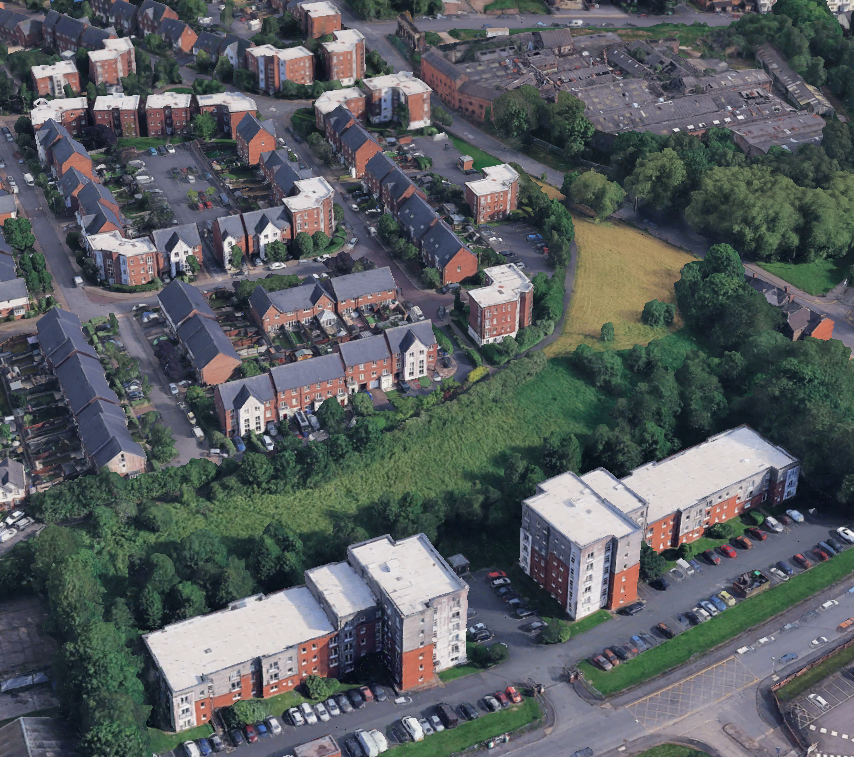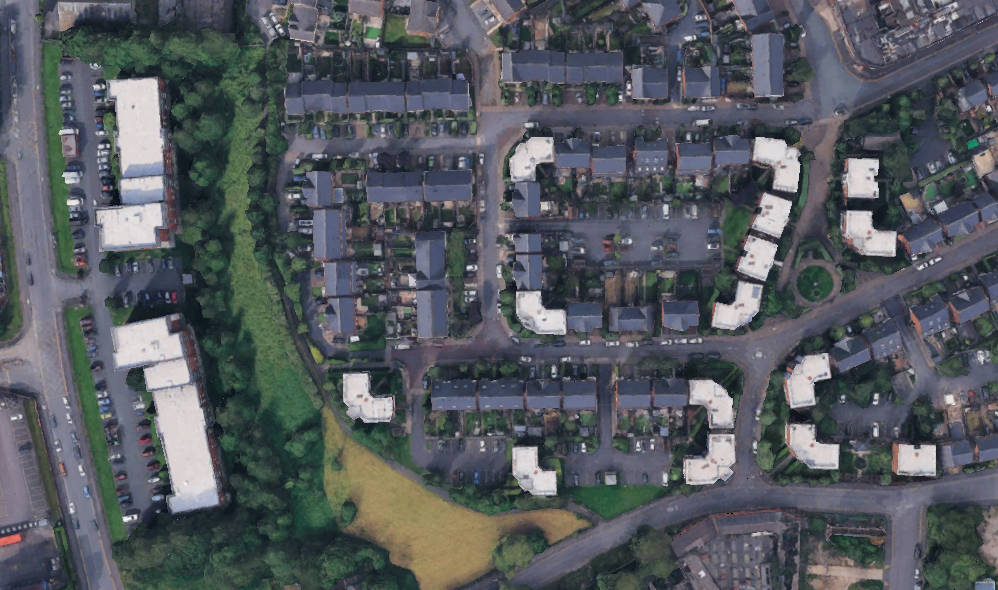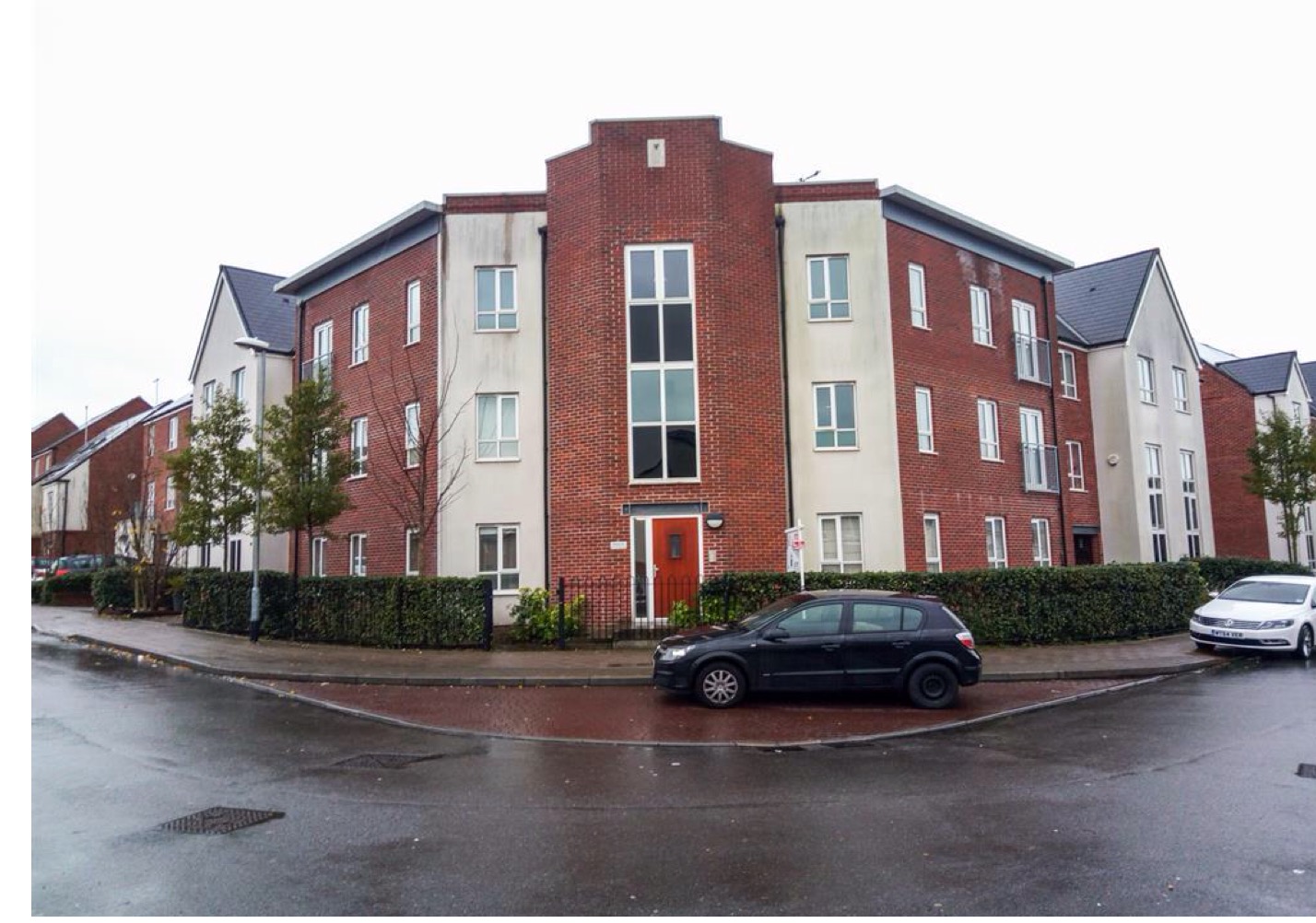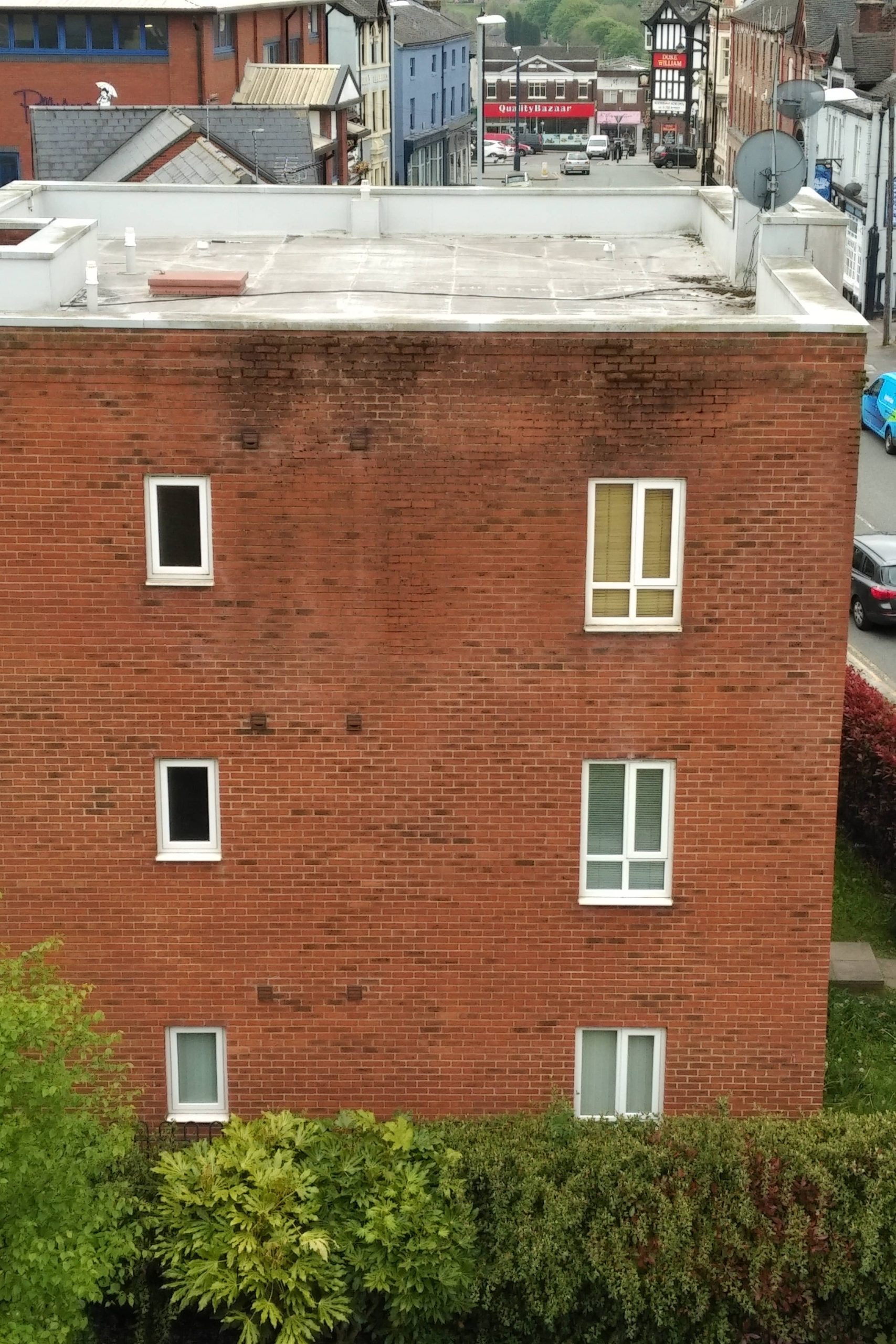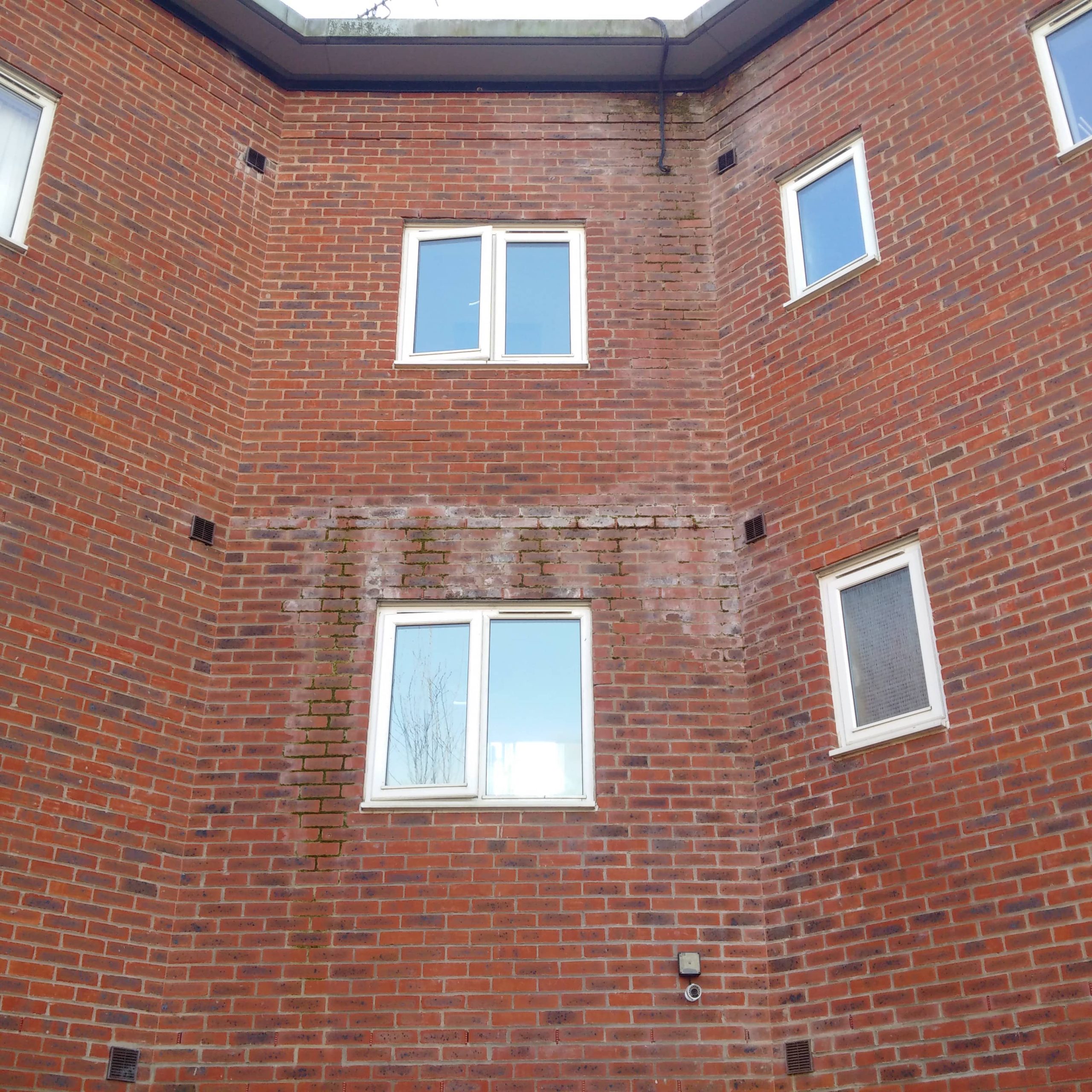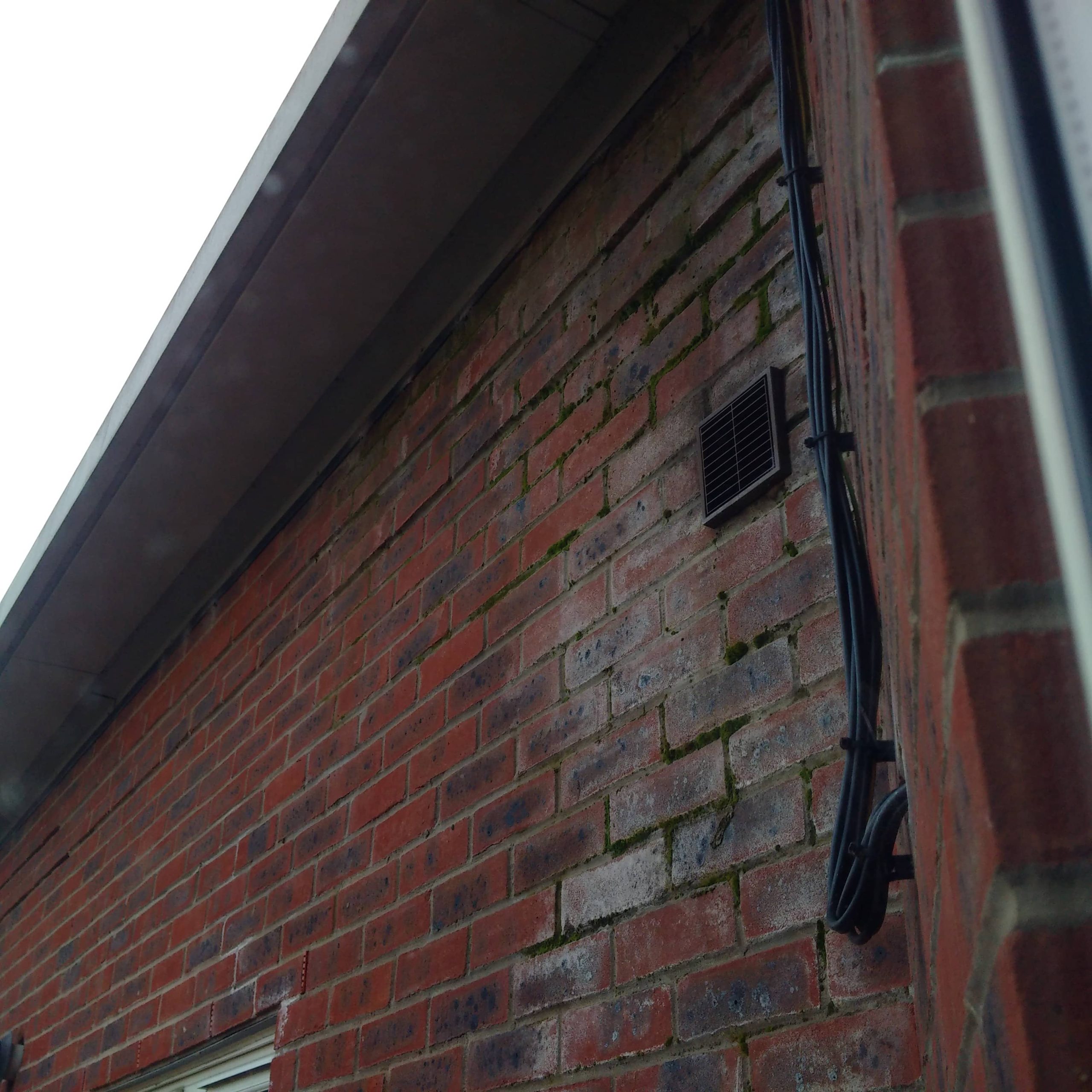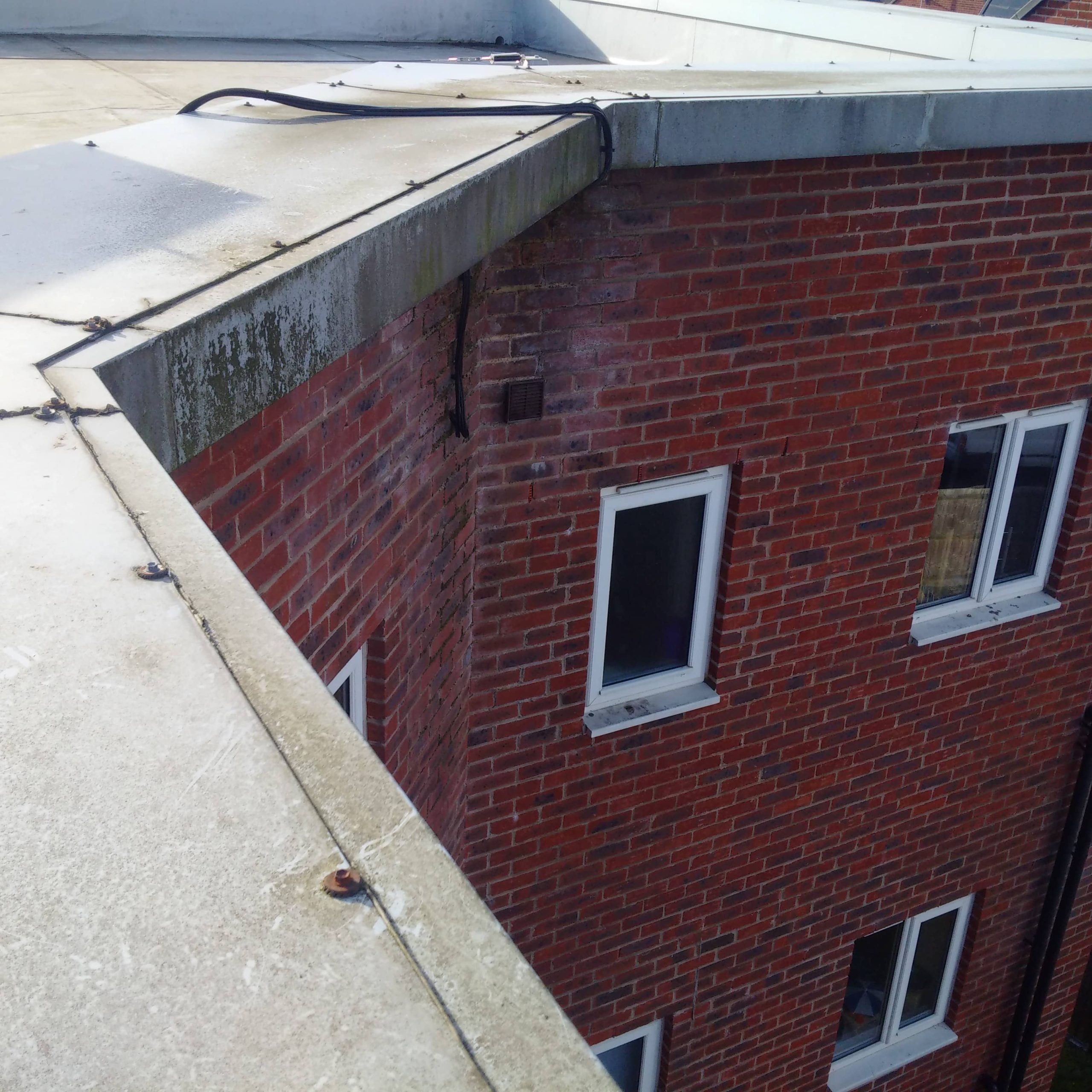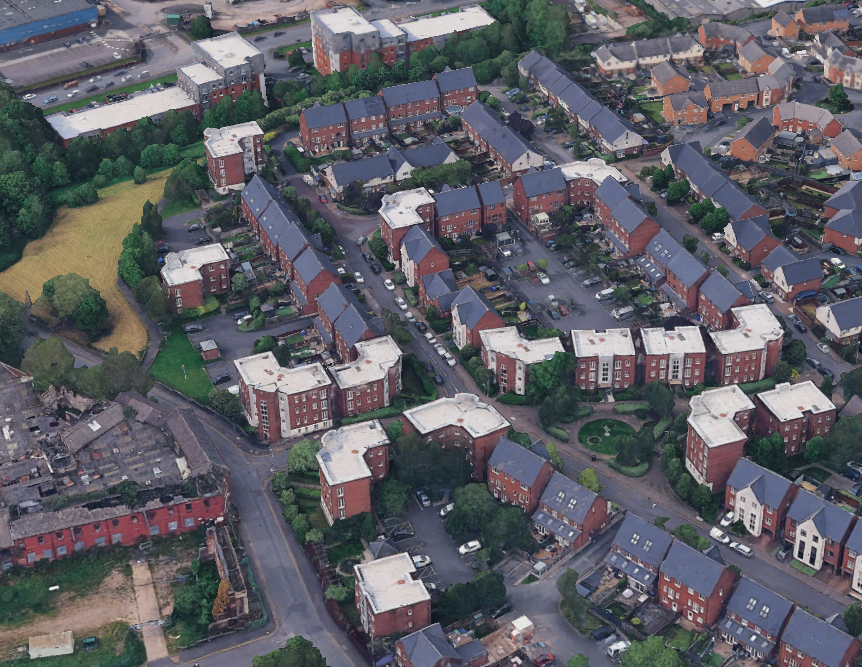
We were instructed to assist a housing association and managing agent with recurring building defects across a residential estate comprising 17 apartment blocks.
A pattern of water ingress and external envelope defects had developed across the estate. Previous maintenance had largely been responsive, with individual complaints resulting in local contractor repairs without a consistent diagnostic process or defined scope of works.
Our initial role was to inspect reported defects, establish the underlying causes and determine whether apparently isolated complaints were symptomatic of wider construction or maintenance issues.
The inspection programme initially covered apartment blocks where residents had reported water ingress around windows, roof areas and external brickwork.
The work commenced with inspection and defect diagnosis rather than further responsive repair.
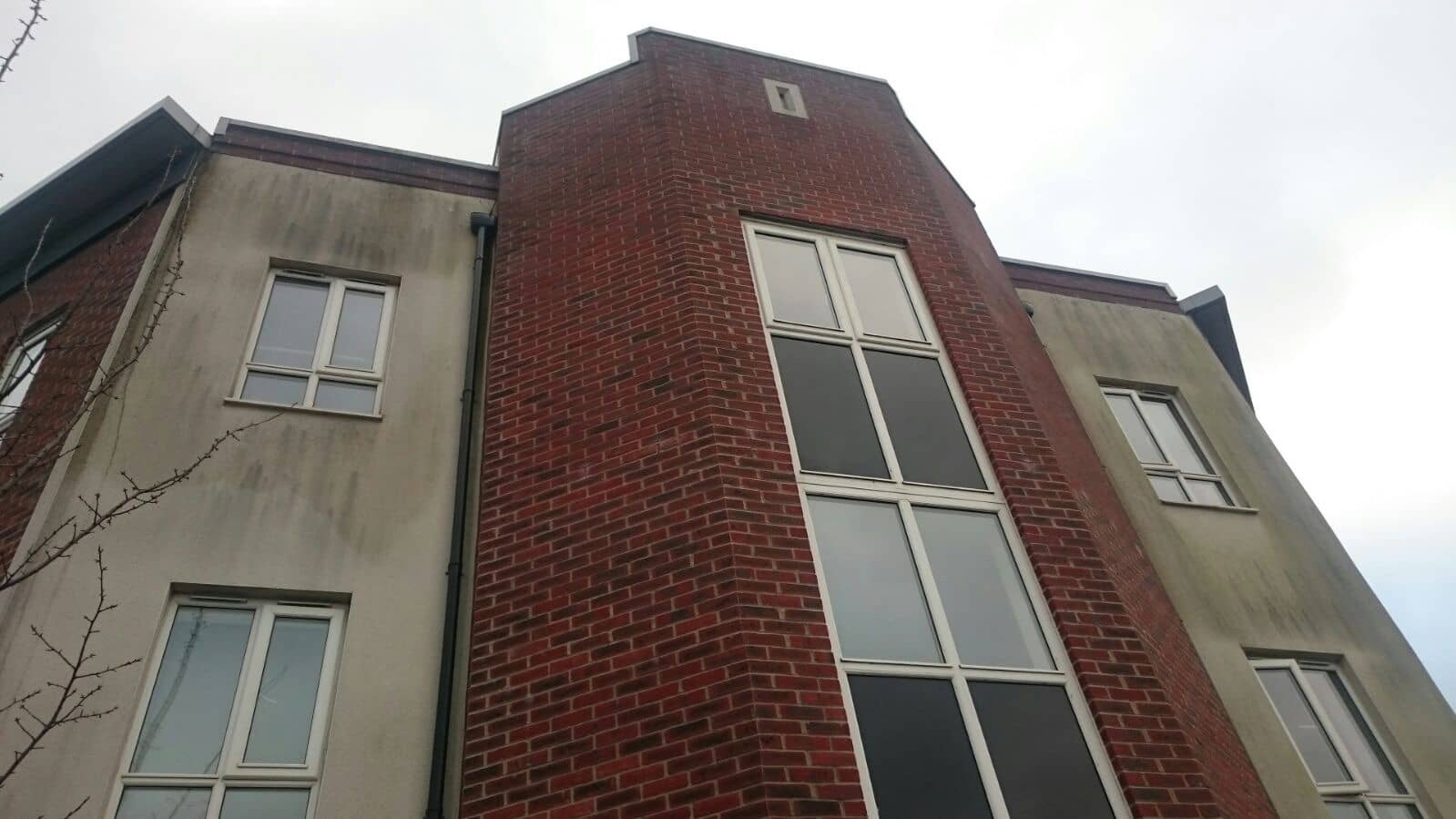
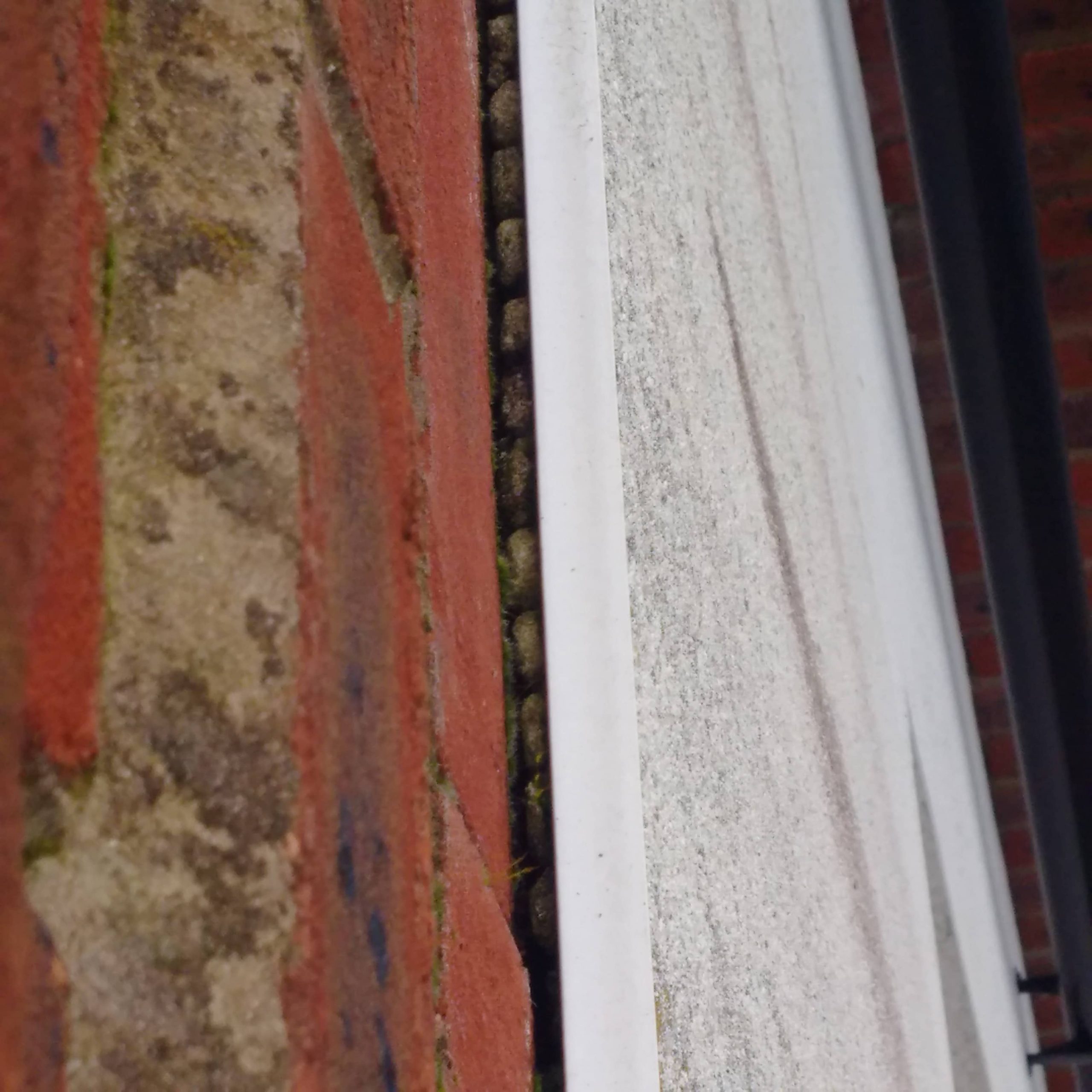
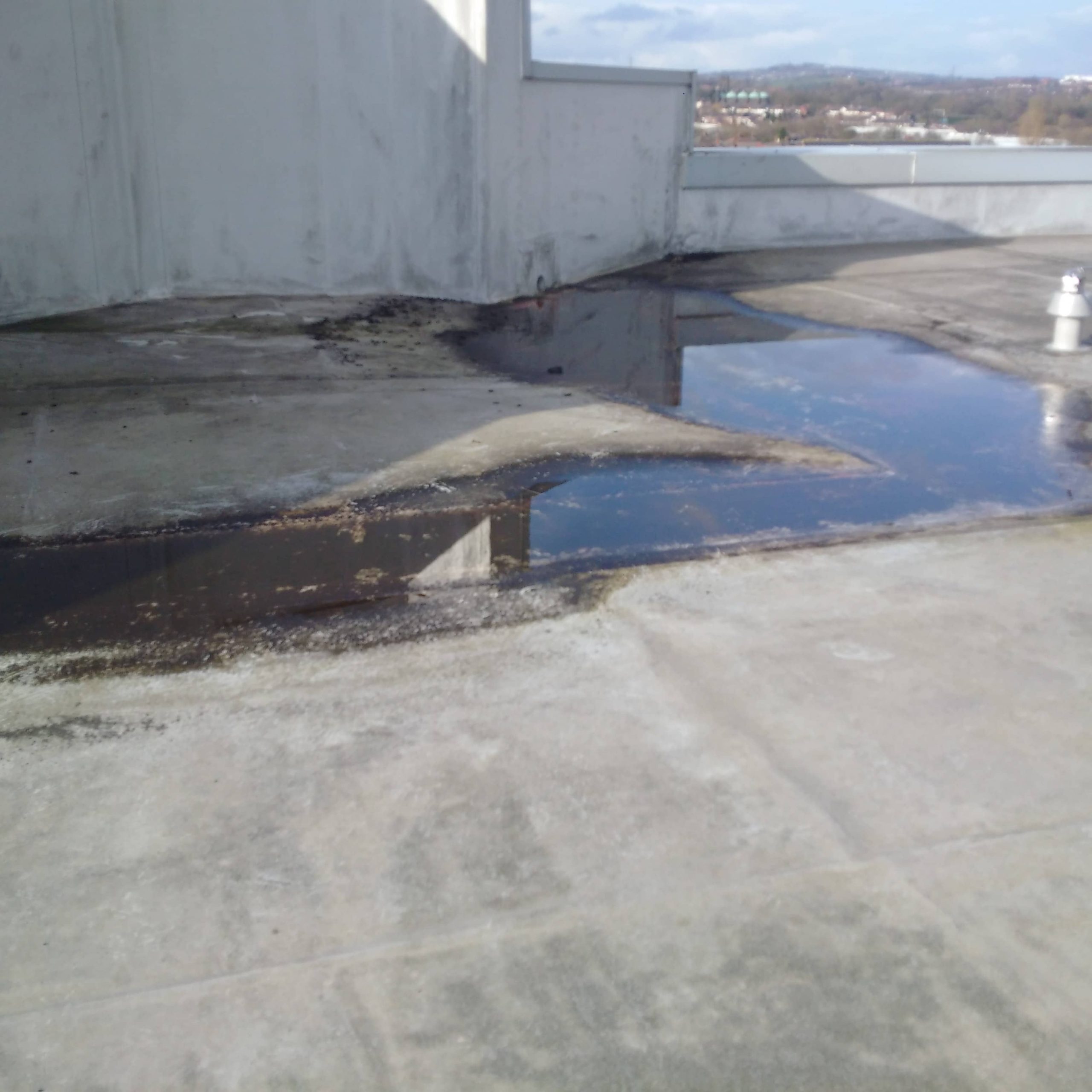
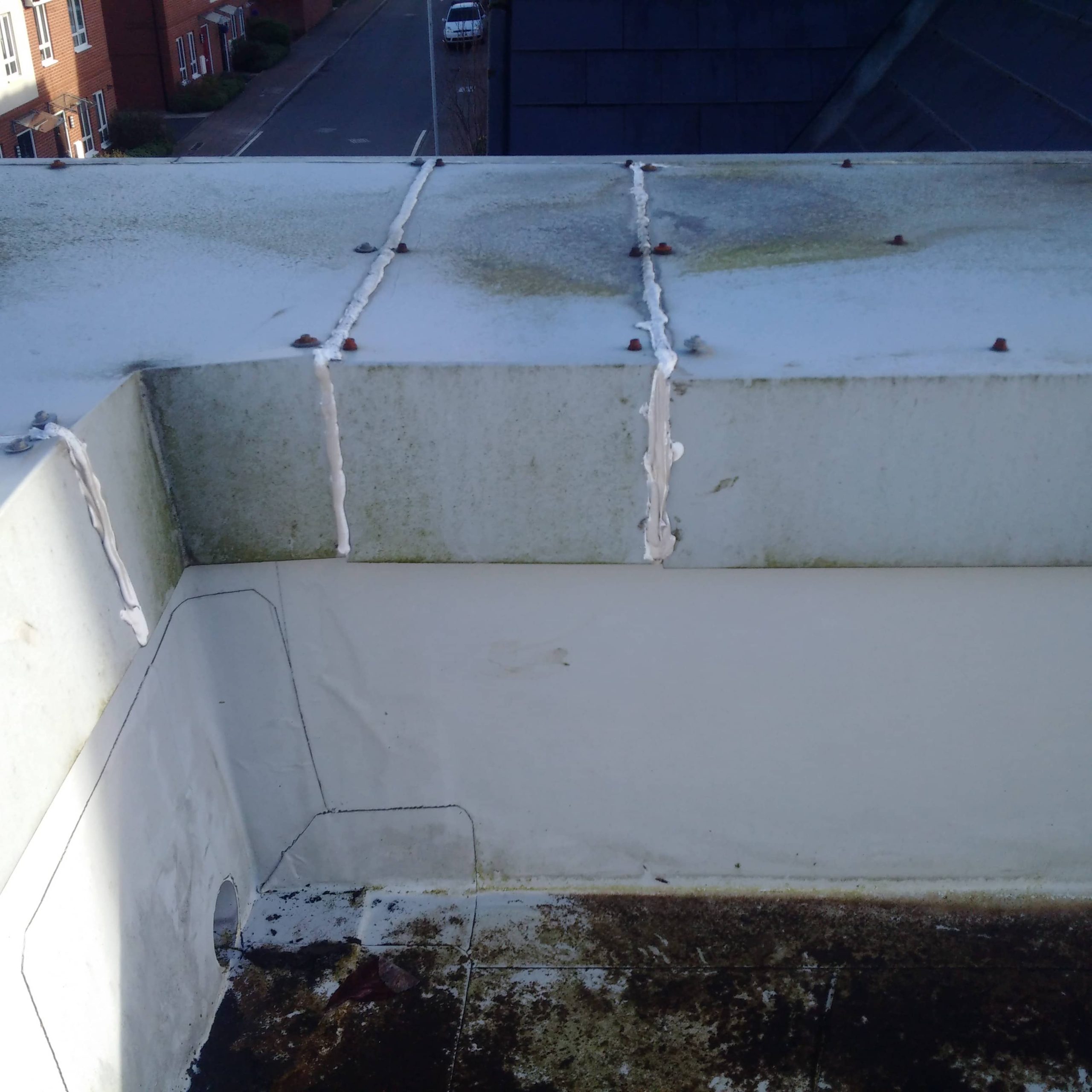
Reported symptoms were compared against the construction of the roof, parapets, external walls and interfaces between components. This identified water entering through failed coping joints, defective drip-edge arrangements and poorly protected render interfaces rather than simply defects at the internal locations where water was appearing.
Inspection of the wider roof installation also considered the quality and consistency of previous repairs, material compatibility, drainage, maintenance history and the potential effect of prolonged saturation on concealed elements.
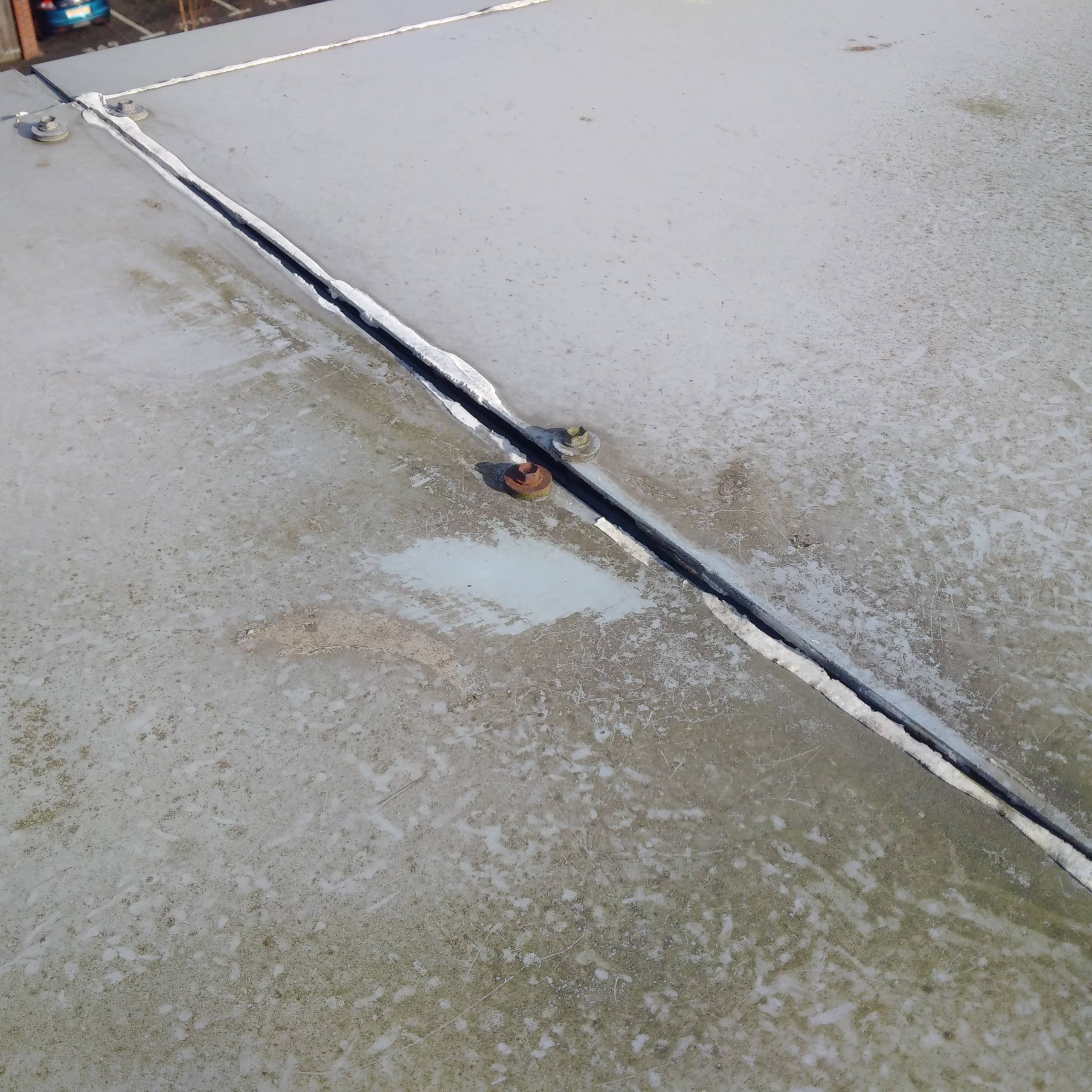
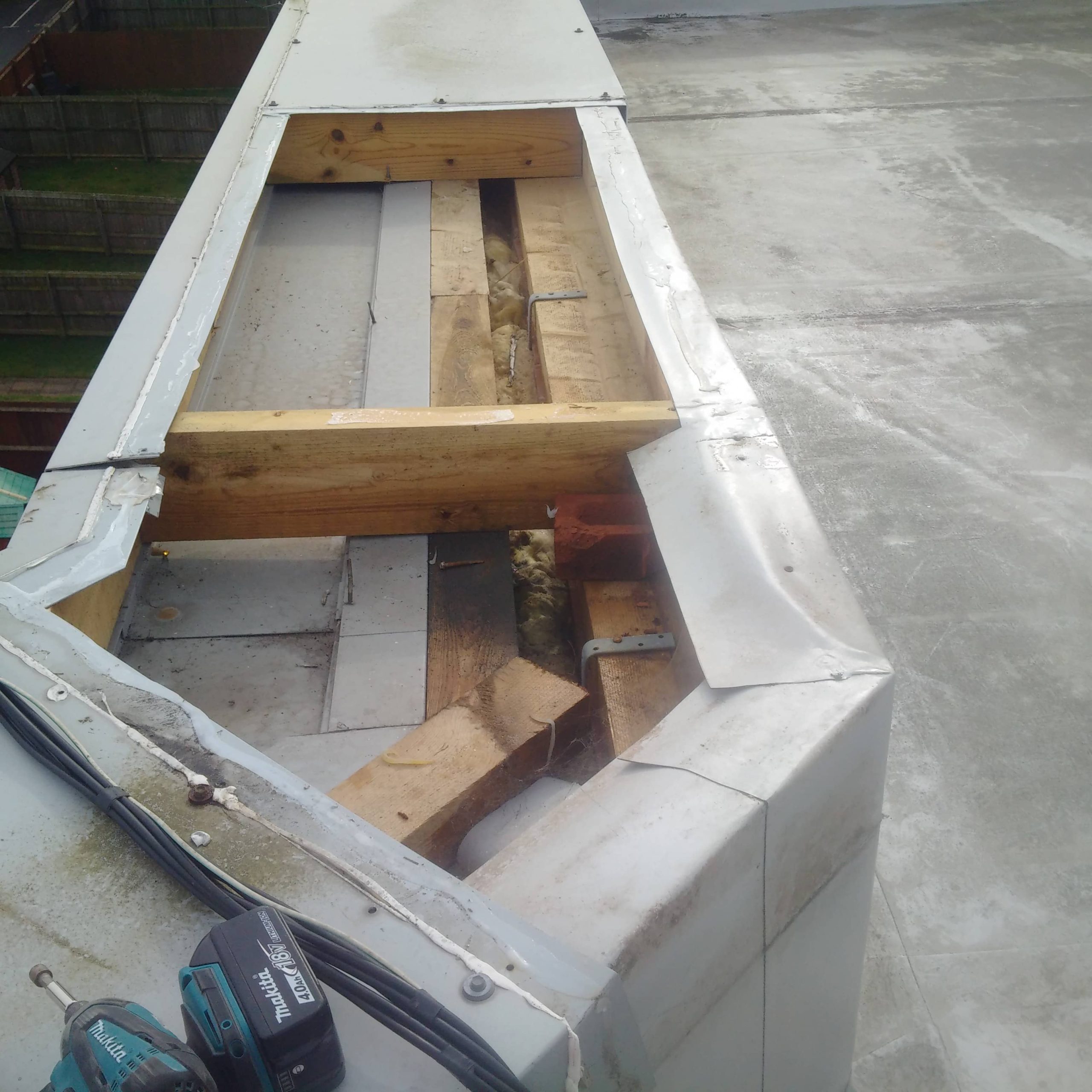
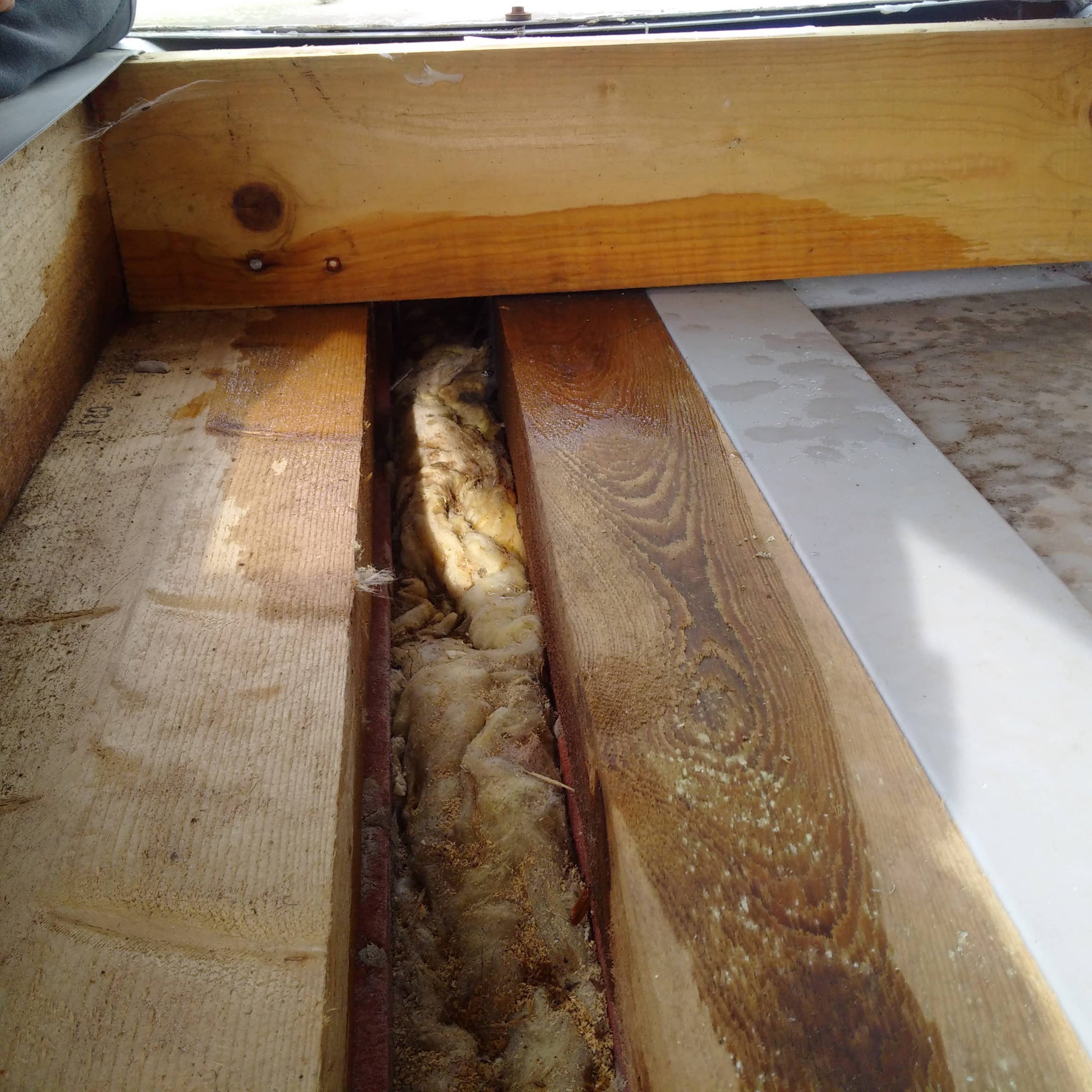
Where opening-up became possible during subsequent works, the investigation identified further deficiencies including inadequate support beneath coping joints, inappropriate fasteners, absence of waterproofing and cavity-closing details, wet insulation and incompatible sealants.
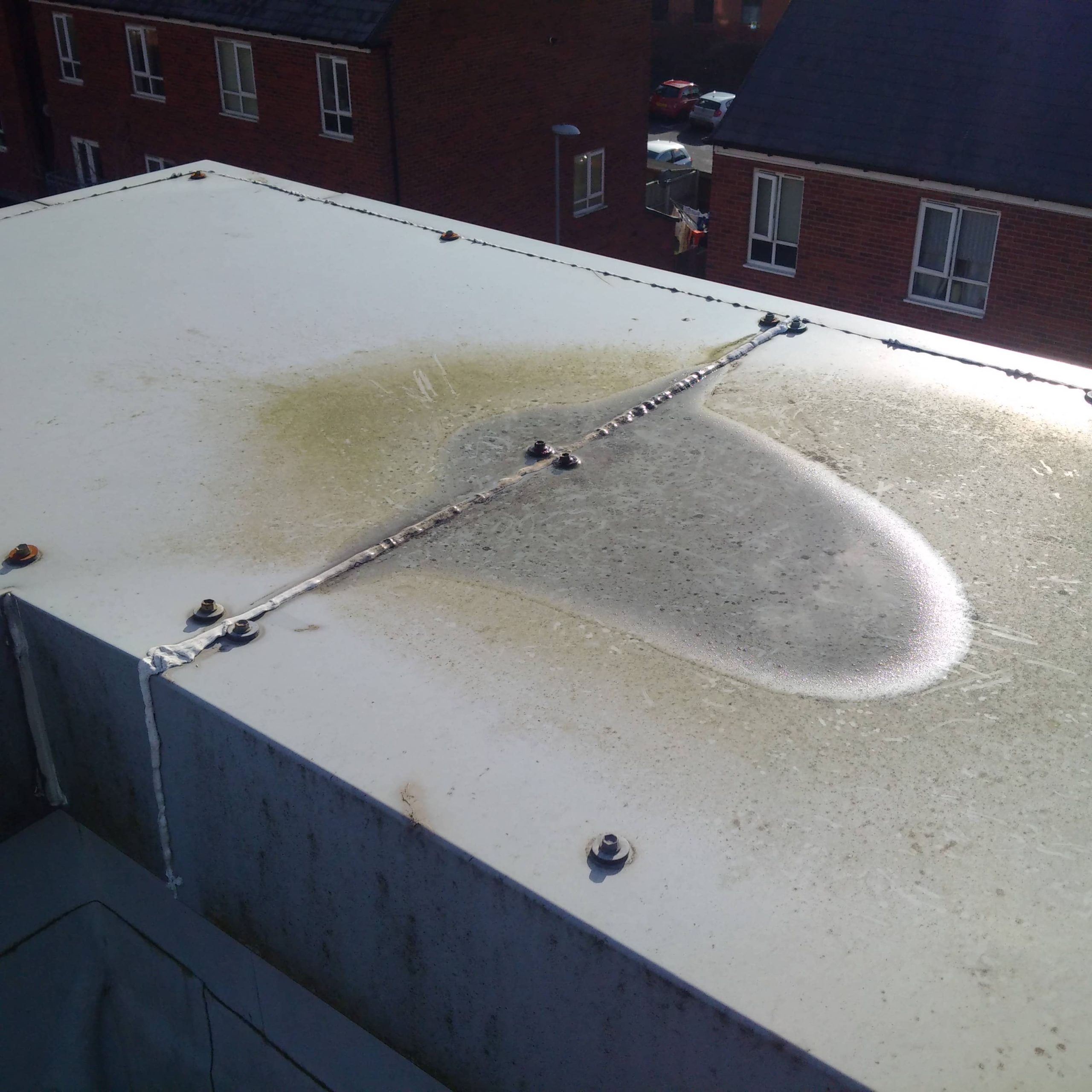
The metal coping arrangement did not provide a consistent or robust means of managing rainwater. Joint failures allowed water to enter the cavity, while the relationship between the coping and render stop bead provided inadequate protection to exposed interfaces.
Numerous previous repairs had been undertaken using inconsistent sealants, fasteners and local patching. The survey found excessive joints, cut sections and repairs, together with incompatible materials and evidence that repairs had not addressed the underlying detailing problems.
The choice of repair materials had itself become part of the problem. Sealants and fasteners were not consistently compatible with the existing installation or exposure conditions, contributing to further deterioration and repeat failure.
The inspection therefore recommended that repair materials and methods should be properly agreed and supervised rather than selected during individual maintenance call-outs.
Opening-up identified saturated and collapsed insulation together with moisture-affected timber components. The implications extended beyond the visible leak and included increased drying periods, thermal performance, condensation, timber deterioration and mould risk.
Because the blocks shared common construction details, individual failures provided evidence that could be considered across the wider estate. This allowed recurring complaints to be approached as potential estate-level defects rather than unrelated maintenance events.
The inspection findings were used to develop the project brief and establish a defined scope of repair.
Rather than allowing the repair method to be determined reactively by contractors on site, the required works were set out around identified causes and known construction deficiencies.
The resulting repair detail included replacement of defective timber sections and fasteners, repair of redundant penetrations, specified joint sealants, additional support to joints and defined fixing arrangements.
This provided a consistent basis for procurement, contractor instruction and supervision.
The wider maintenance approach also moved toward scheduled inspection and planned intervention, reducing reliance on isolated call-outs and repeated short-term repairs. The original survey specifically recommended a scheduled maintenance and inspection programme.
The work helped move the management approach from symptom-led responsive maintenance toward structured inspection, diagnosis and planned repair.
Recurring defects could be considered against common construction details across the estate, while the development of a project brief and defined scope provided greater control over repair methods, materials and contractor delivery.
This gave the client a clearer basis for prioritising expenditure, reducing repeated maintenance interventions and addressing underlying defects rather than repeatedly repairing their consequences.
Repeated maintenance failure is not always the result of poor workmanship during the latest repair. Where the original defect has not been properly diagnosed, each subsequent contractor may simply be responding to the symptom presented.
Inspection provides the starting point. The findings can then inform the development of a project brief, defined scope and repair specification so that contractors are instructed against an established technical solution rather than being expected to diagnose and design repairs during a responsive maintenance visit.
Material compatibility is equally important. Sealants, fasteners, membranes, insulation and supporting components form part of a wider construction detail, and substituting individual products without understanding their interaction can introduce further defects rather than resolve the original problem.
For housing providers and managing agents responsible for repeated building types, identifying common defects can also convert individual maintenance complaints into useful estate-level information, supporting more consistent procurement, planned maintenance and future investment decisions.
This approach forms part of our wider building surveying, defect investigation and remedial works consultancy.