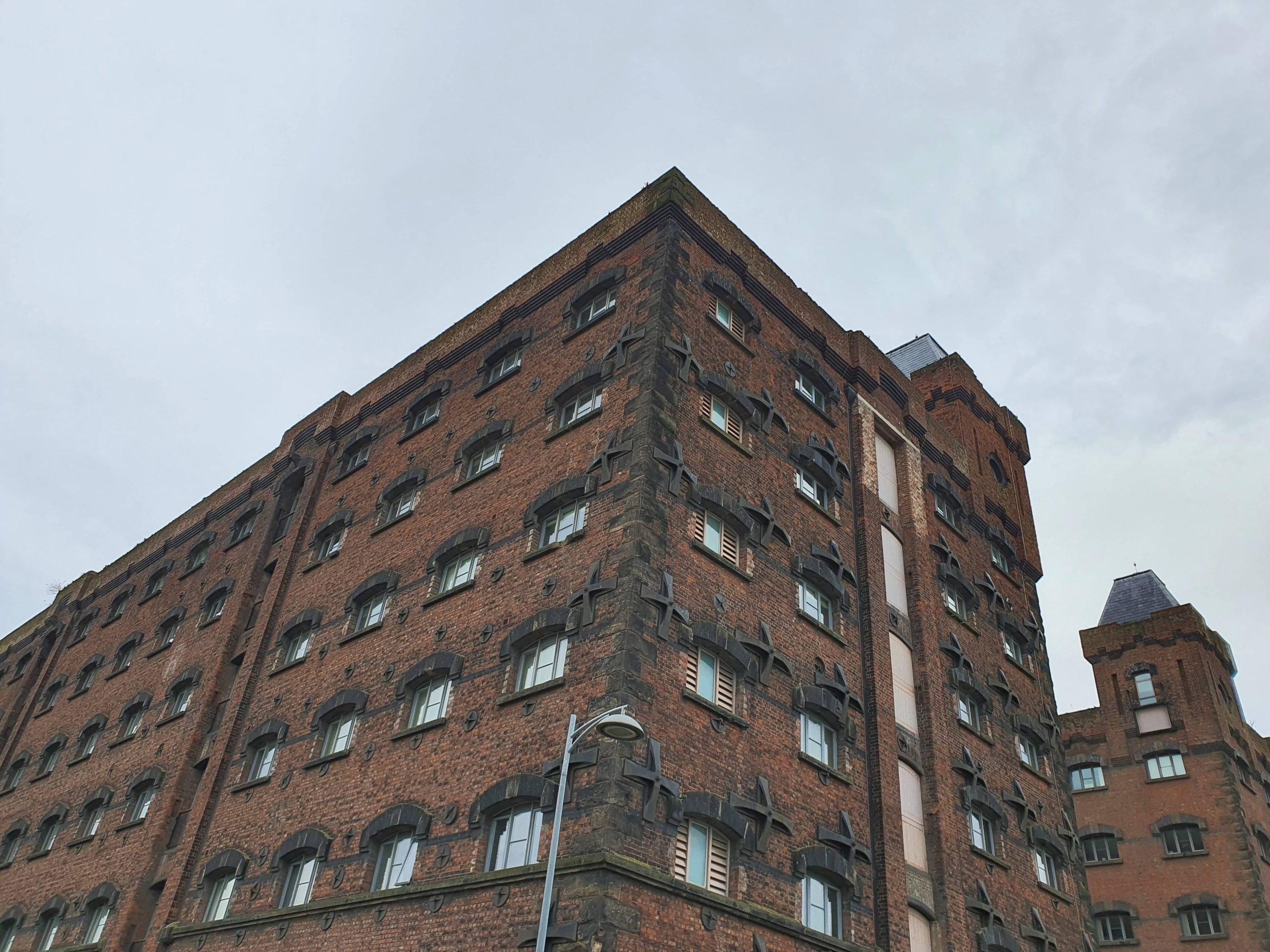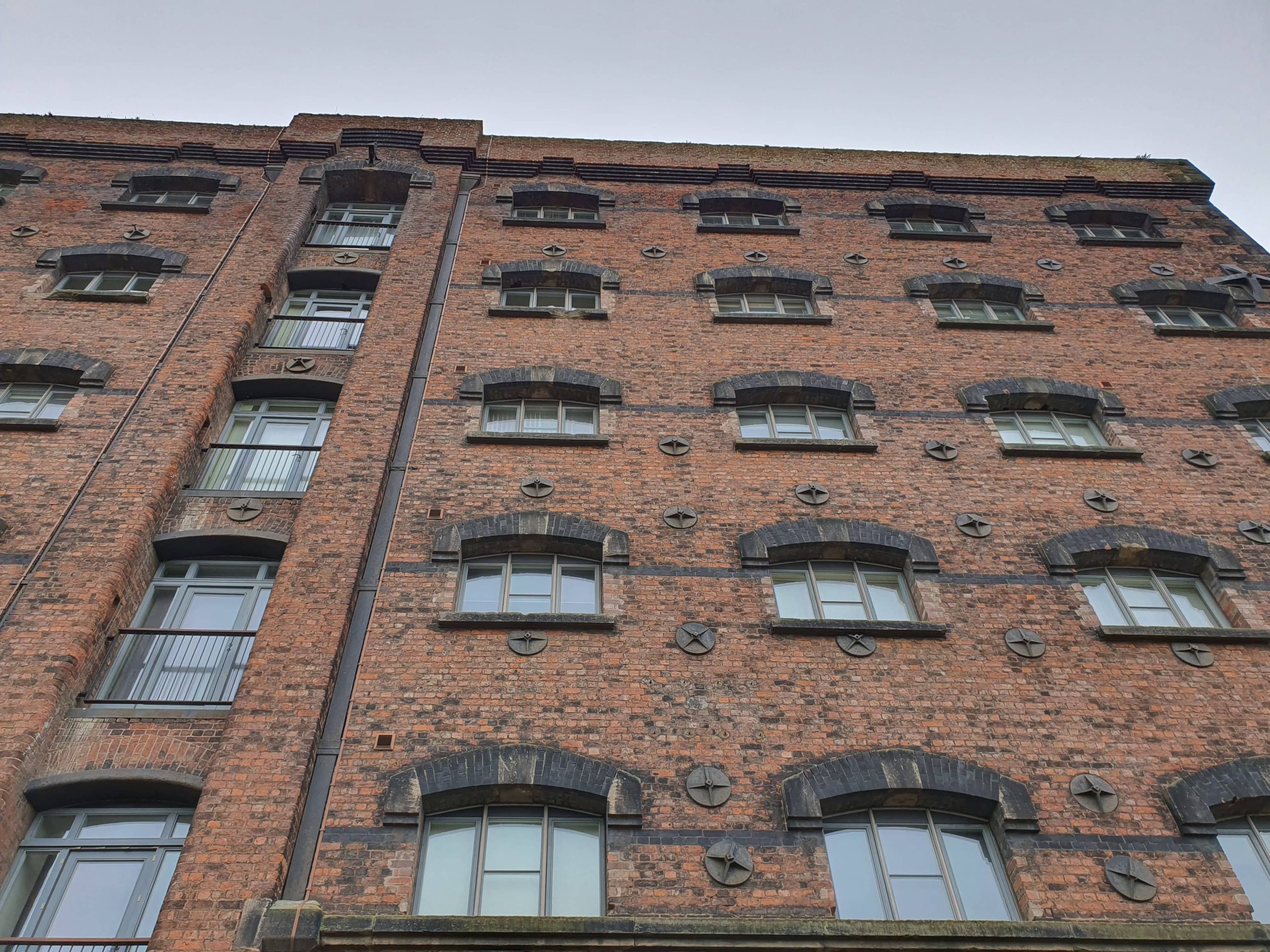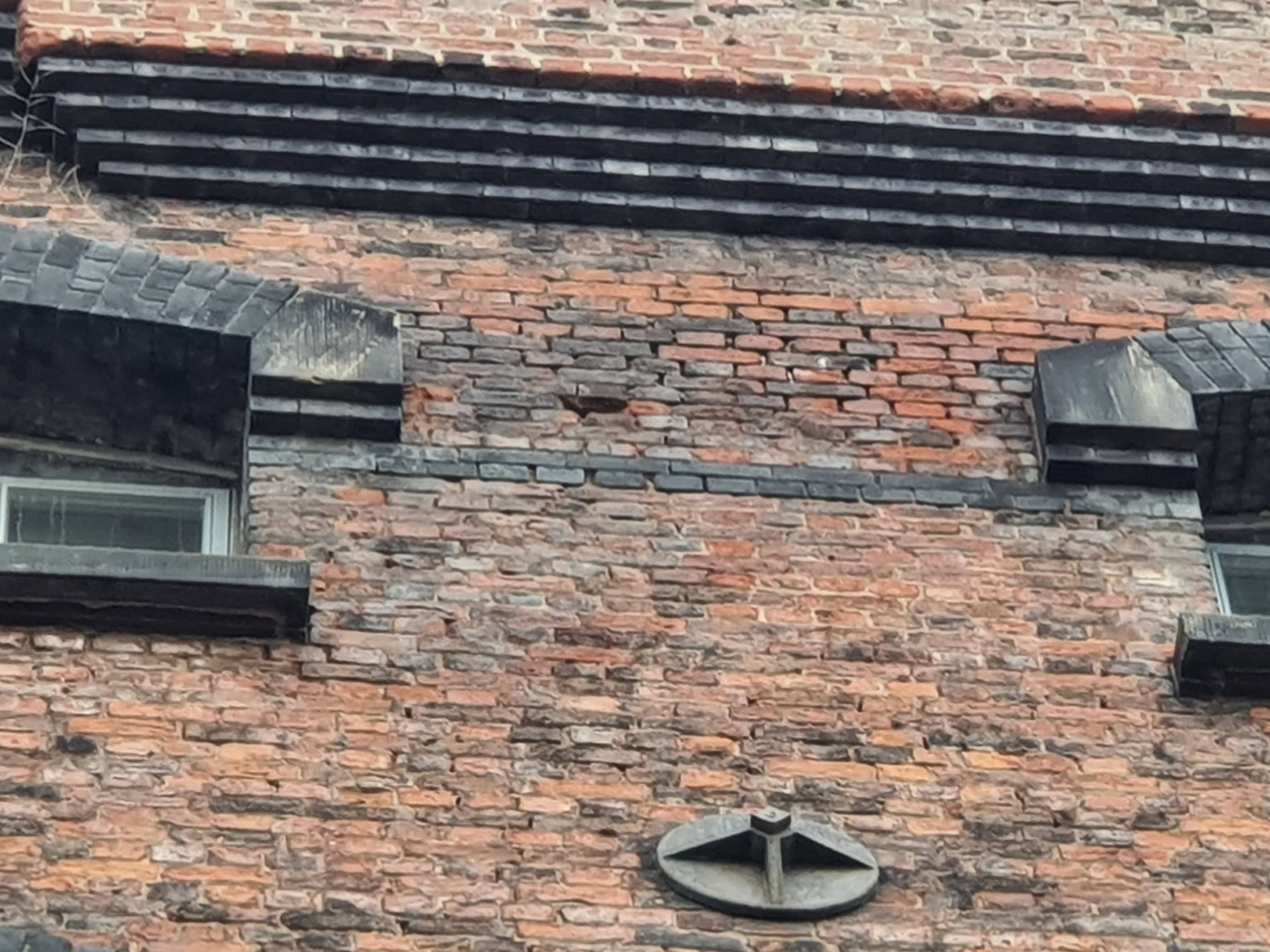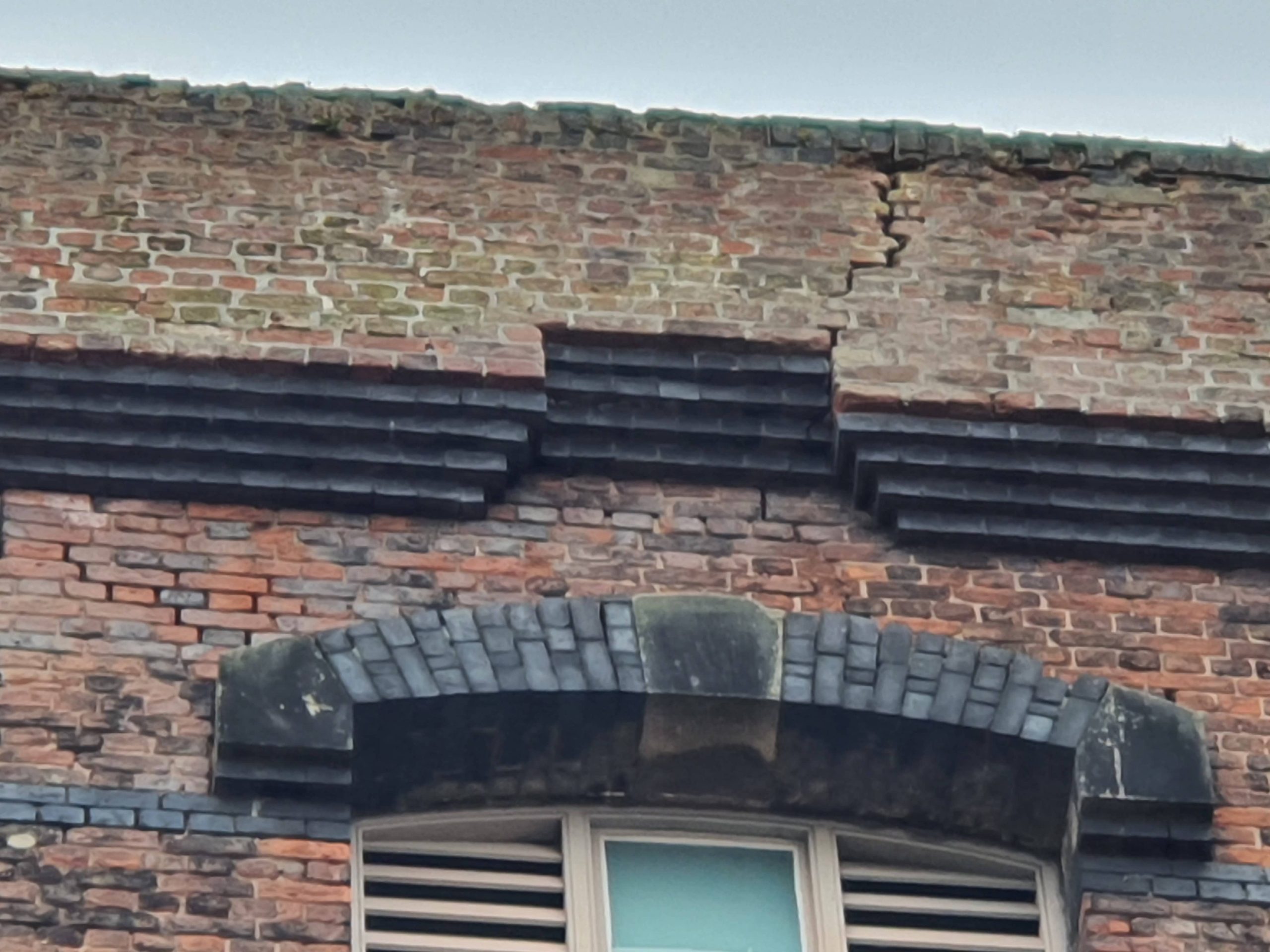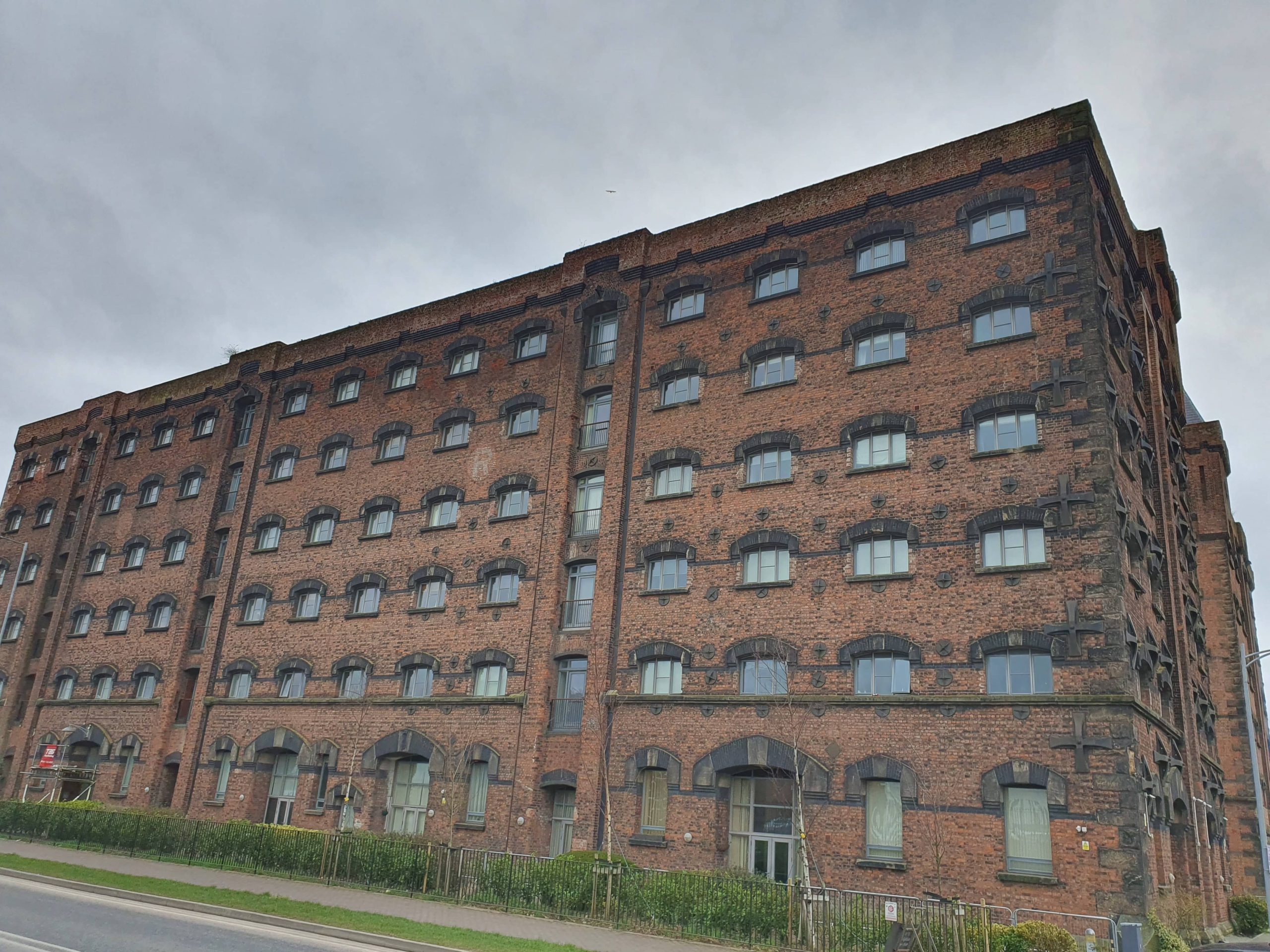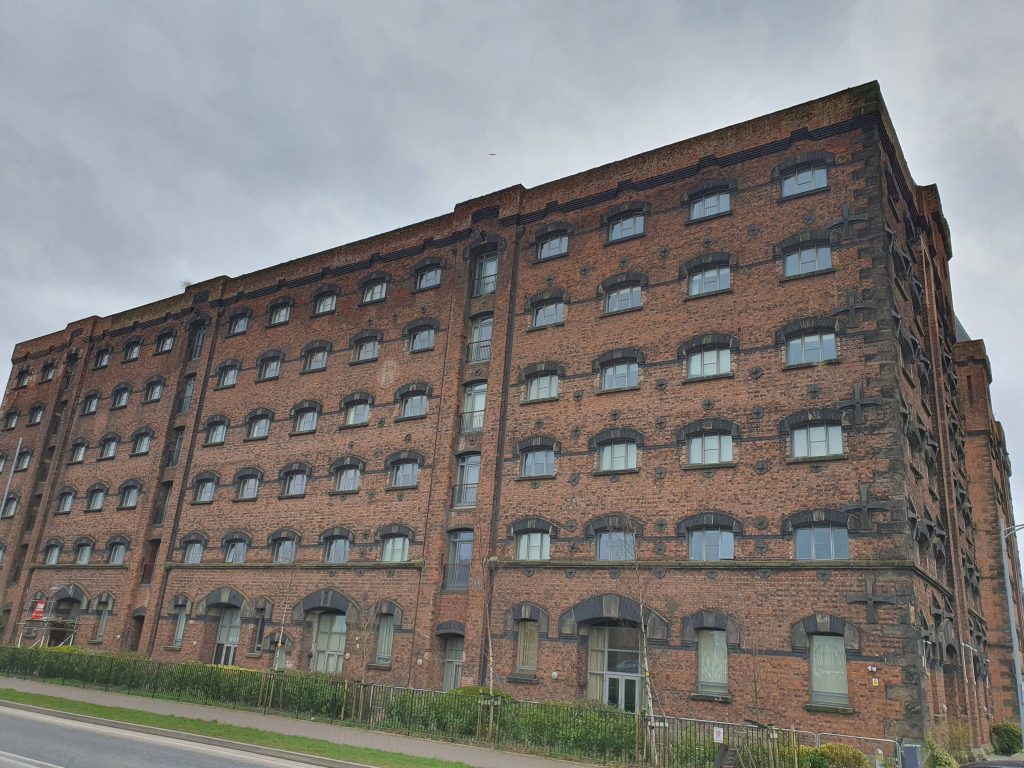
We inspected East Float Quay to investigate roof-related defects and water ingress affecting different parts of the development.
The instruction was to define the condition of affected elements, investigate the symptoms being experienced, explain the consequences of inaction and facilitate a prioritised management action plan.
Management needed clear advice on where repairs were necessary, which issues required further investigation and what could be monitored.
Drawing on several site visits, we brought together inspection findings, photographs and reported symptoms to develop a location-specific assessment.
Our reporting linked affected areas to photographic evidence, repair recommendations and action status. We distinguished observed defects from suspected causes, identified access limitations and separated immediate making-safe measures from permanent repairs.
Where details were inaccessible or concealed beneath decking, we identified the need for further investigation rather than treating the diagnosis as complete.
Roof coverings and hip details
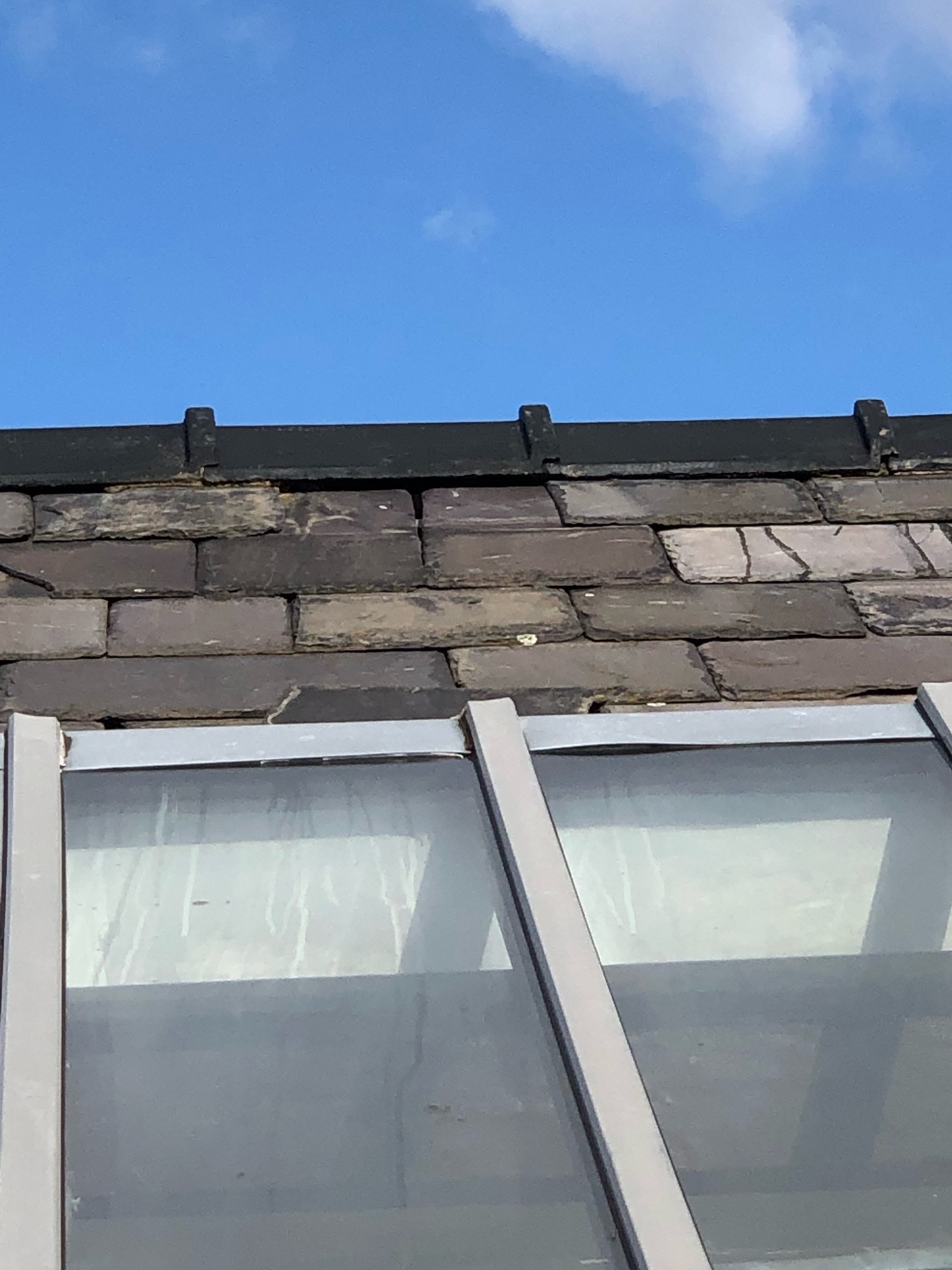
Broken or missing slates were recorded across several roof areas, together with dislodged hip tiles and defective hip detailing. These findings required both attention to loose materials and recommendations for lasting repairs.
Leadwork and roof junctions
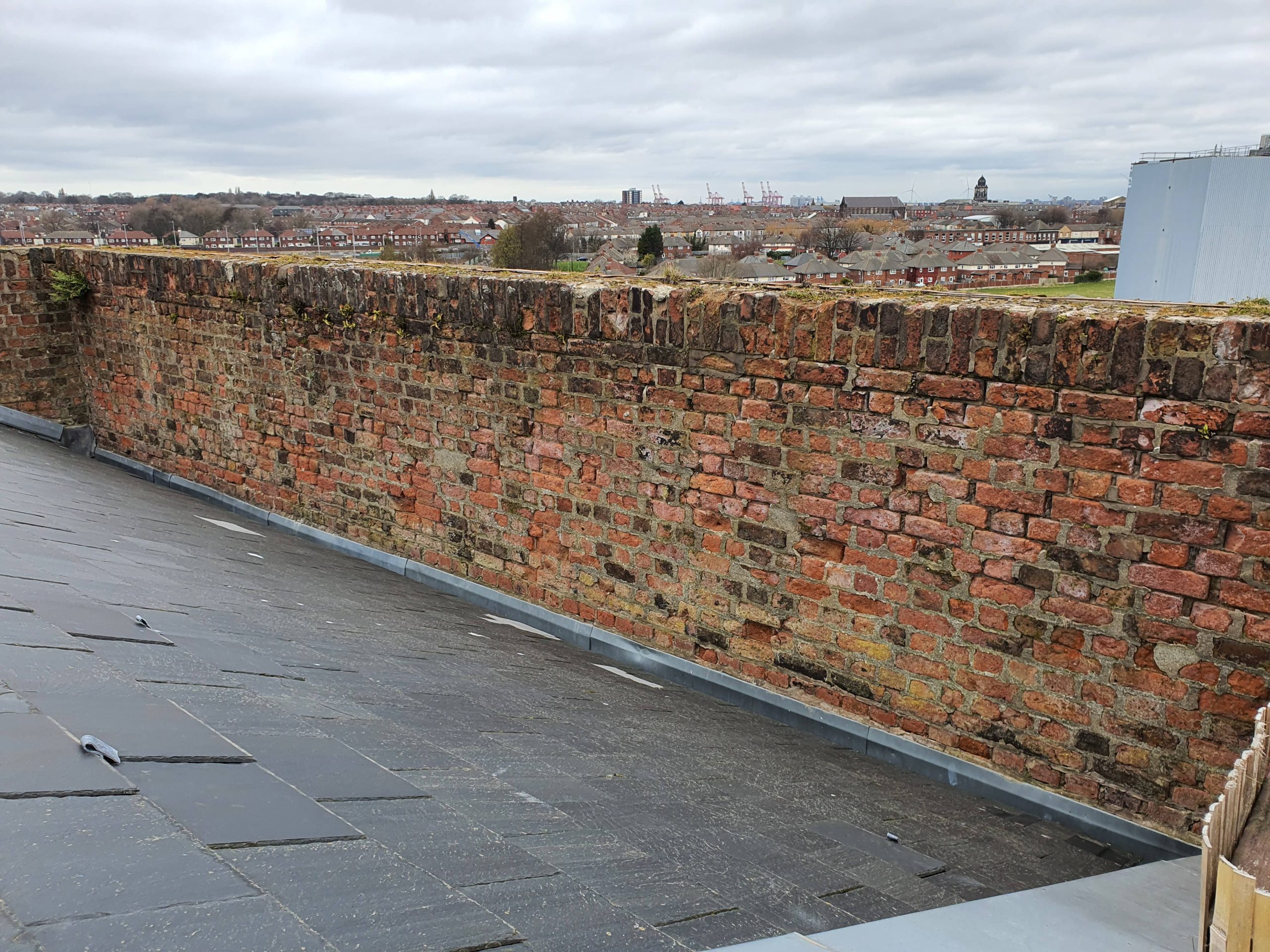
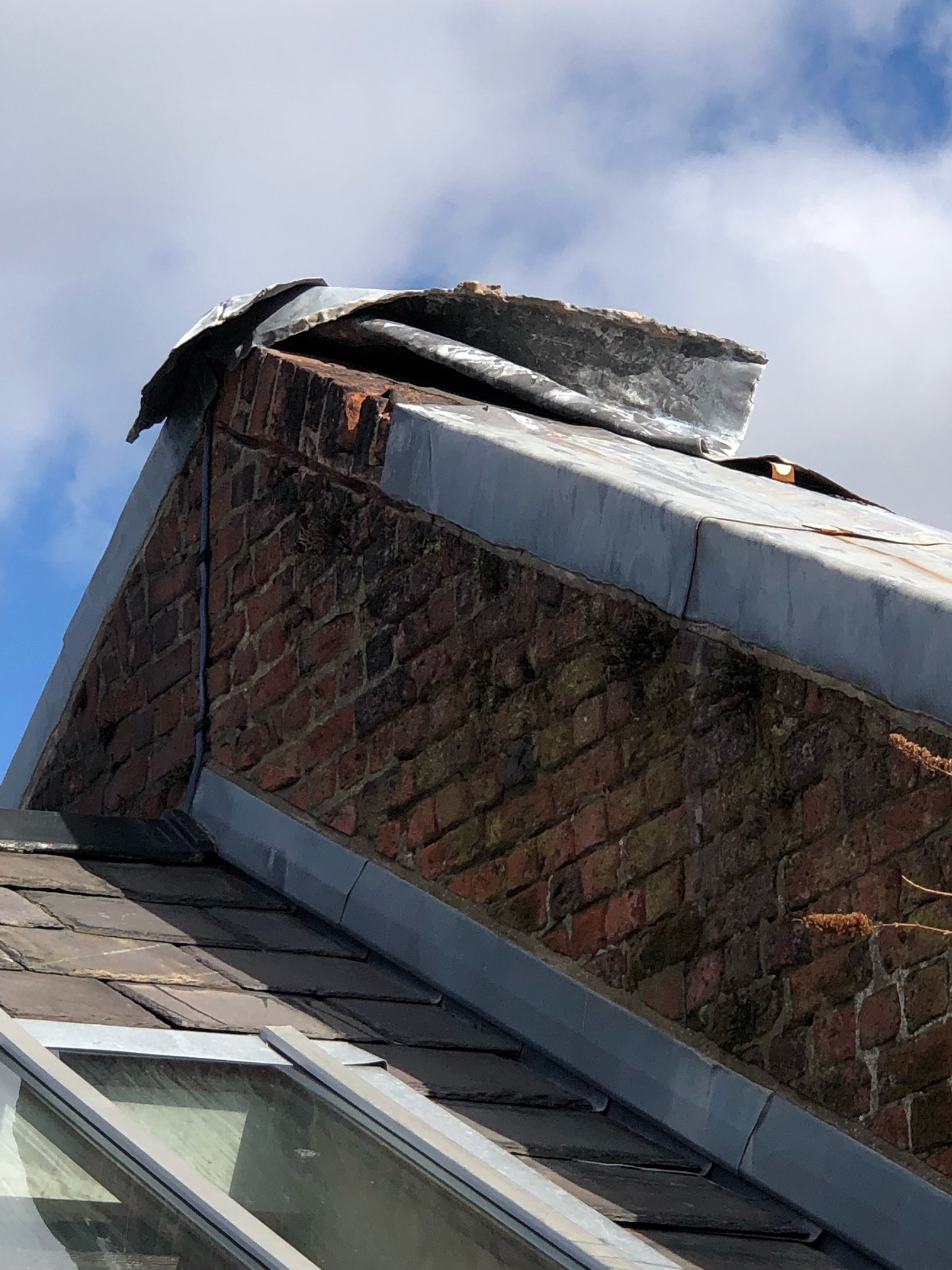
Lifted lead coping and flashing defects were identified at parapets and abutments, requiring local repair or replacement.
Skylights and water ingress
Reported ingress around skylights prompted recommendations for closer inspection of window installations, flashings and adjoining ridge details.
Overlapping moisture symptoms
The surveys recorded ingress associated with a decked flat roof, with symptoms aggravated by shower condensation. Occupant monitoring was recorded, with further inspection beneath the decking recommended if symptoms continued.
During our visits, we also observed masonry cracking, deterioration and previous brickwork and mortar repairs that raised concerns about compatibility with the existing fabric.
Detailed investigation of these matters fell outside the roof-related instruction. We nevertheless recorded and reported the observations, drawing attention to the need for further assessment to establish their causes, significance and appropriate remedial response.
We explained the implications of leaving identified defects unresolved, including continued water entry, further deterioration of affected materials and finishes, disruption to residents and the potential for more extensive repairs.
Our advice supported a prioritised response covering making safe, targeted repairs, further investigation and monitoring.
The survey recorded local measures already undertaken, including the removal or making safe of loose tiles, mortar and slates, and the refitting of soaker abutments. Outstanding repairs and unresolved inspection requirements remained separately identified.
Management gained a clearer understanding of the building’s condition, the problems affecting different locations and the actions needed to address them.
By connecting reported symptoms with inspection evidence, diagnosis and practical recommendations, we facilitated a prioritised management action plan. This provided a basis for coordinating repairs, commissioning further investigations and monitoring unresolved symptoms.
The work also brought additional fabric concerns to management’s attention while clearly defining the limits of the original instruction.
Effective building surveying connects observation, diagnosis and advice. This project demonstrates the importance of recognising overlapping causes, communicating uncertainty and reporting significant concerns encountered beyond the immediate scope.
This approach forms part of our wider building surveying, defect investigation and building pathology work.